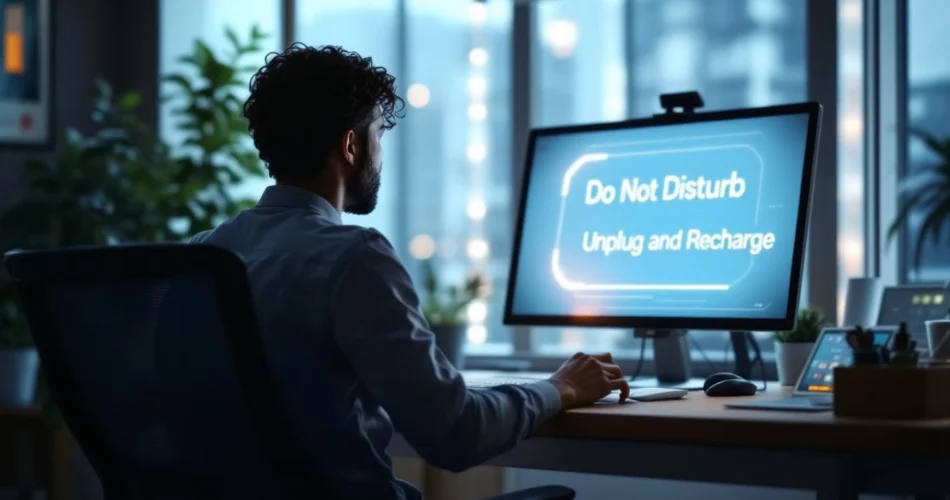
In today’s constantly connected world, achieving a real digital detox at work can feel nearly impossible. Notifications, emails, and digital tasks pull your attention in a dozen directions, making it harder to stay focused and energized. Learning how to unplug at work isn’t about eliminating technology—it’s about using it more intentionally so you can protect your productivity, mental health, and overall well-being. This guide walks you through practical, realistic ways to break free from digital overload without falling behind or missing important communication.
Table of Contents
- Why Digital Detox at Work Matters
- Signs You Need a Digital Detox at Work
- Practical Ways to Unplug at Work
- Building a Workplace Culture That Supports Digital Detox
- Tools and Resources for Effective Digital Detox at Work
- Frequently Asked Questions
- Conclusion
Why Digital Detox at Work Matters
Modern workplaces function online, but constant connectivity comes at a cost. Overuse of digital tools impacts your mental clarity, focus, and long-term health—making digital detox strategies more important than ever.
The Impact of Constant Connectivity on Mental Health
When you’re plugged in all day, your brain doesn’t get the downtime it needs. Constant pings increase stress, trigger burnout, and reduce creativity. Studies from the American Psychological Association support this connection between screen overload and anxiety.
External resource: https://www.apa.org
How Digital Overload Reduces Productivity
Many employees believe multitasking helps them get more done, but research shows the opposite. Switching between apps, messages, and tabs fragments your focus and slows output. A digital detox at work helps you regain sustained concentration and work more efficiently.
Benefits of Practicing Digital Detox at Work
A healthier relationship with technology improves well-being, boosts productivity, and strengthens your work-life balance. Learn more with our internal resource: Workplace Wellness Strategies.

Signs You Need a Digital Detox at Work
You may not notice digital fatigue creeping in until it starts affecting your daily performance and mood.
You Feel Overwhelmed by Notifications
If every ping demands your attention, your nervous system stays in constant alert mode. This drains energy and increases irritability.
You Struggle to Focus for More Than a Few Minutes
Frequent digital interruptions train your brain to expect distraction, making deep work nearly impossible.
You’re Mentally Exhausted After the Workday
Screen fatigue leads to mental burnout. The Mayo Clinic notes that overstimulation reduces your ability to recharge.
External resource: https://www.mayoclinic.org
Practical Ways to Unplug at Work
If you’re wondering how to unplug at work without falling behind, these practical habits help you ease into a healthier workflow.
Implement Scheduled Screen Breaks
Try the Pomodoro method—25-minute work intervals followed by a five-minute break. Stand up, stretch, or close your eyes to reset your mind.
Reduce Nonessential Notifications
Turn off non-critical alerts and batch your emails by checking them at scheduled times. This minimizes the constant pull of your inbox.
Create Tech-Free Zones or Times
Designate certain areas—like break rooms—or times of day as device-free. This builds healthier routines and gives your brain room to breathe.
Explore more ideas here: Mindful Break Ideas.
Building a Workplace Culture That Supports Digital Detox
Digital detox is easier when your work environment encourages balance rather than nonstop connectivity.
Leadership Modeling Healthy Digital Habits
Managers who take breaks and set tech boundaries empower employees to do the same.
Encouraging Offline Collaboration
Try whiteboard brainstorming or walking meetings. These unplugged moments spark creativity and help reduce digital fatigue.
Setting Clear Digital Communication Boundaries
Defined expectations—like limiting after-hours emails—protect employees from burnout and increase job satisfaction.
Tools and Resources for Effective Digital Detox at Work
These tools help you stay focused and create a more sustainable digital workflow.
Apps That Limit Distractions
Use focus apps or time-blocking tools to reduce interruptions. The Center for Humane Technology offers great resources: https://www.humanetech.com
Organizational Policies That Help Employees Unplug
Clear guidelines around communication, meetings, and device use promote healthier digital habits.
Wellness Programs That Promote Digital Balance
Companies can support employees through stress management programs like this one: Stress Management at Work.
Frequently Asked Questions
What is a digital detox at work, and how does it help?
A digital detox at work is a deliberate break from screens and notifications that reduces stress and improves focus.
How can I start unplugging at work without hurting my productivity?
Begin with small steps like scheduled breaks and notification reduction. These actually increase productivity over time.
What tools can help support a digital detox at work?
Focus apps, time-blocking tools, and distraction blockers help you maintain healthier work habits.
How do I know if I need a digital detox?
Symptoms include overwhelm, low focus, fatigue, and irritability.
Can unplugging improve my job satisfaction?
Yes. Setting healthy boundaries reduces burnout and increases enjoyment in your workday.
Conclusion
A successful digital detox at work doesn’t require drastic change—it starts with small habits that protect your mental energy. By learning how to unplug at work, you improve focus, reduce stress, and create a healthier relationship with technology. Begin with one simple shift today, and explore more workplace wellness tips to support your journey toward a balanced, productive workday.