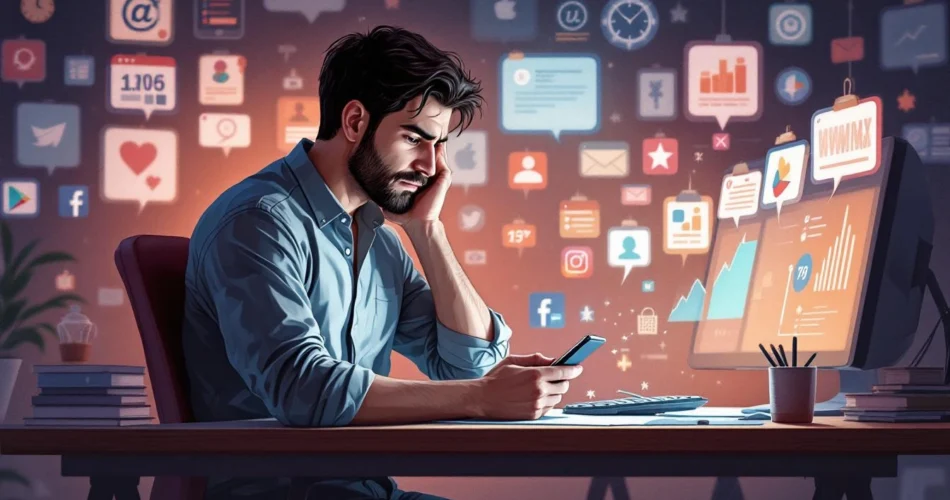
Feeling drained, overwhelmed, or stuck in a cycle of comparison every time you scroll? You’re not alone. If you’ve been wondering when to take a break from social media, the answer often lies in the subtle emotional and physical signs you might already be feeling. Recognizing the signs you need a social media detox can help you reset your mental and emotional well‑being before burnout takes over. This guide walks you through the warning signs, the benefits of unplugging, and practical steps for taking a healthy break.
Table of Contents
- Why Taking Breaks from Social Media Matters
- 7 Warning Signs You Need a Social Media Detox
- How to Take a Healthy Break from Social Media
- Benefits of Disconnecting
- When to Seek Additional Support
Why Taking Breaks from Social Media Matters
Social media is designed to keep your attention, but constant engagement comes at a cost. Mentally, emotionally, and even physically, the effects can add up fast.
The psychological effects of constant online engagement
Endless scrolling overstimulates your brain, feeding comparison, anxiety, and digital fatigue. Over time, this constant input can make you feel emotionally drained and less connected to your real life.
How social media impacts productivity and focus
Notifications and algorithm-driven content disrupt your ability to concentrate. Even quick check-ins can fragment your attention, reducing productivity and increasing stress.
The role of digital boundaries in maintaining balance
Healthy digital boundaries protect your time, energy, and mental health. Whether it’s screen time limits or designated no-phone hours, boundaries help you stay grounded offline.
Internal Link: Digital Wellness Tips
External Link: APA – Mental Health and Social Media

7 Warning Signs You Need a Social Media Detox
If you’re unsure whether it’s time to step back, these signs you need a social media detox can help clarify what your mind and body are trying to tell you.
You experience constant anxiety after scrolling
If your chest feels tight or you notice a lingering sense of unease after using social media, it may be a sign your nervous system is overloaded.
You compare yourself to others more frequently
Social media highlights curated moments. If you find yourself feeling “less than” after browsing, it’s a red flag that your self-esteem is taking a hit.
Your sleep patterns are disrupted
Blue light, late-night scrolling, and emotional stimulation can interfere with high-quality rest, leaving you groggy and unfocused.
Internal Link: Managing Anxiety Online
External Link: Sleep Foundation
How to Take a Healthy Break from Social Media
Setting practical limits and app timers
Start small with app timers, do-not-disturb settings, or scheduled offline blocks to create structure for your detox.
Communicating your break to friends and followers
A simple update removes the pressure to respond immediately and helps you feel supported in prioritizing your mental health.
Replacing your screen time with healthier habits
Try journaling, hobbies, exercise, or offline social time to fill the gaps social media leaves behind.
Internal Link: Time Management Strategies
Benefits of Disconnecting
Improved emotional clarity
Without constant noise, your thoughts become clearer. You reconnect with what matters to you—not what the algorithm pushes.
Increased productivity and focus
With fewer distractions, your brain can stay focused longer, helping you get more done with less stress.
Strengthened offline relationships
Being present with loved ones deepens conversations and builds more meaningful connections.
When to Seek Additional Support
Recognizing deeper mental health concerns
If you notice persistent sadness, irritability, or isolation, your challenges may go beyond social media fatigue.
When social media habits indicate addiction
Compulsive checking, irritability when offline, and inability to limit use are signs you may need outside help.
How therapy can help
Support from a mental health professional can offer coping tools and help you rebuild healthier digital habits.
Internal Link: Mental Health Resources
Frequently Asked Questions
When should I take a break from social media?
You should take a break when scrolling causes stress, comparison, or disrupts your sleep or focus.
How long should a social media detox last?
Most people benefit from a 24-hour break, a weekend detox, or a full week offline depending on their needs.
What are the healthiest alternatives to scrolling?
Reading, journaling, exercising, and spending time outdoors all help reset your brain.
Can social media affect my mental health?
Yes—excessive use is linked to anxiety, depression, and chronic stress.
How do I know if social media is overwhelming me?
If you feel drained, irritable, or emotionally triggered after using it, it may be too much.
Conclusion
Understanding when to take a break from social media is essential for protecting your mental, emotional, and physical well-being. By recognizing the signs early and taking intentional steps toward a social media detox, you give yourself the space to breathe, reset, and reconnect with what truly matters. If you’re feeling overwhelmed, consider this your invitation to log off and prioritize your peace—your mind will thank you for it.