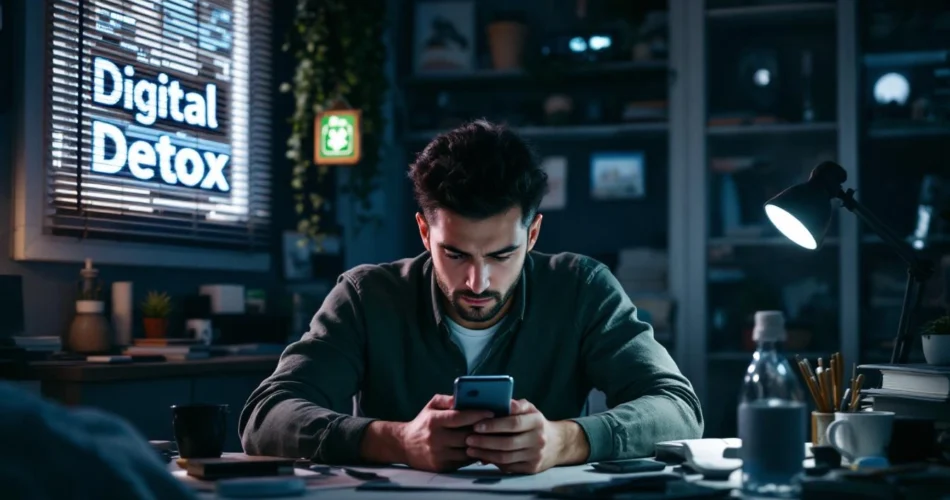
Constant scrolling, rapid-fire notifications, and the urge to stay updated can creep into your daily life so quietly that you barely notice their impact. Yet the symptoms of social media overuse often show up long before you realize something’s off. If you’ve ever wondered whether your digital habits are affecting your mood, sleep, or focus, understanding the signs you need a social media detox is an important first step. This article breaks down the psychological, physical, and behavioral clues that signal it’s time to reset your relationship with your screen—and offers expert-backed guidance to help you regain balance.
Table of Contents
- What Are the Main Symptoms of Social Media Overuse?
- Psychological Signs You Need a Social Media Detox
- Physical Symptoms Linked to Excessive Use
- Behavioral Patterns That Signal Social Media Overuse
- How to Assess Whether You Need a Social Media Detox
What Are the Main Symptoms of Social Media Overuse?
Recognizing the early signs of digital overload helps you regain control before it spirals into bigger challenges. Here are the core symptoms many people overlook.
Increased Anxiety and Restlessness
Excessive comparison, negative news cycles, and constant stimulation can heighten anxiety. Scrolling often becomes a coping mechanism, but according to the American Psychological Association, this only reinforces stress and emotional instability.
Difficulty Concentrating and Staying Present
If you regularly find yourself zoning out or struggling to stay focused, your online habits may be fragmenting your attention. Social feeds are designed to grab your focus instantly, making deeper concentration harder over time. For strategies to regain your focus, see Improving Digital Focus.
Emotional Dependence on Notifications
The dopamine hit from likes, comments, and alerts can create reward-seeking behavior. This emotional dependence makes it harder to disconnect and can subtly influence your mood throughout the day.
Psychological Signs You Need a Social Media Detox
Your mental state can reveal when your online habits are no longer healthy.
Mood Swings Triggered by Online Interactions
Shifts in mood based on likes, comments, or online conflict can indicate emotional overinvestment. When your self-worth becomes tied to digital feedback, a detox can help break the cycle.
Decreased Self-Esteem from Comparison Loops
Social media often displays polished, idealized snapshots of other people’s lives. Exposure to these comparison traps can chip away at your confidence. The National Institute of Mental Health notes that unrealistic standards online can exacerbate feelings of inadequacy.
Feeling Overwhelmed or Mentally Exhausted
Digital burnout is real. Constant content consumption can exhaust your mind, leaving you feeling drained, irritable, or mentally cluttered.
Physical Symptoms Linked to Excessive Use
Your body often gives some of the clearest signals that it’s time to unplug.
Eye Strain and Headaches
Prolonged screen time and blue light exposure can trigger headaches, dry eyes, and visual fatigue. The Mayo Clinic highlights how screens contribute to eye discomfort and long-term strain.
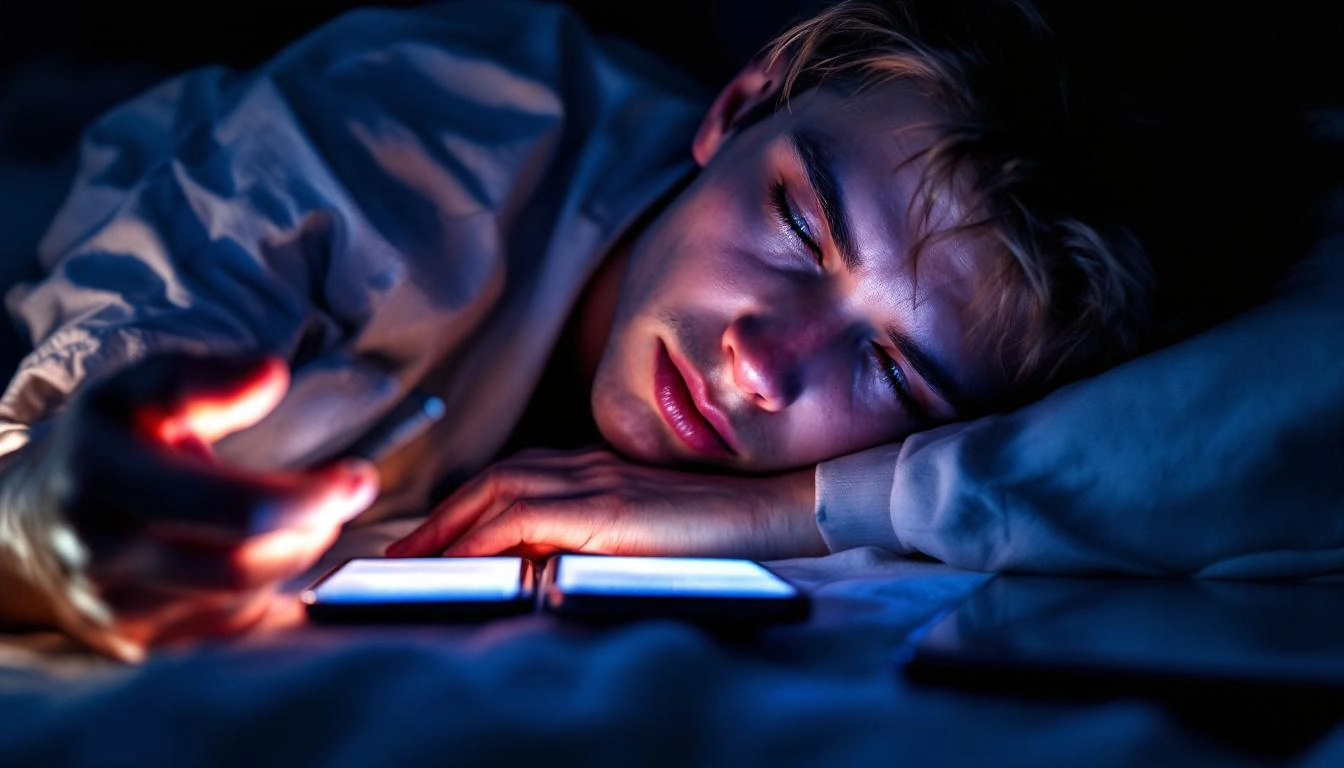
Disrupted Sleep Patterns
Nighttime scrolling interrupts melatonin production, making it harder for your brain to transition into sleep mode. This often leads to poor sleep quality and grogginess the next day.
Poor Posture and Muscle Tension
“Tech neck,” slouched shoulders, and upper back pain are common physical symptoms linked to excessive device use. Over time, these posture issues can compound into chronic discomfort.
Behavioral Patterns That Signal Social Media Overuse
Certain habits reflect deeper struggles with self-control and balance.
Compulsive Checking and Fear of Missing Out
FOMO can cause you to check your phone constantly—even without notifications. This compulsive behavior disrupts productivity and increases anxiety.
Neglecting Responsibilities or Relationships
If you frequently delay tasks or zone out during conversations because of your phone, it’s a sign your online habits are interfering with real-world connections. Visit Balancing Online and Offline Life for more tips.
Prioritizing Social Media Over Real-World Activities
When social feeds become your go-to escape from stress or boredom, they can replace meaningful activities like exercise, hobbies, and face-to-face interactions.
How to Assess Whether You Need a Social Media Detox
If you’re unsure whether your habits are unhealthy, these assessment methods can help.
Self-Assessment Techniques
Track your scrolling time, note emotional changes after using social apps, and reflect on whether your online habits support or undermine your well-being.
Identifying Red Flags in Daily Routines
Look for early signs like reaching for your phone first thing in the morning, losing track of time while scrolling, or feeling anxious without your device.
When to Seek Professional Help
If your symptoms escalate into depression, chronic anxiety, or severe social withdrawal, consulting a professional is important. Resources are available at Mental Health America.
Frequently Asked Questions
What are the earliest symptoms of social media overuse?
Some of the earliest symptoms include anxiety while offline, difficulty focusing, and feeling compelled to check notifications.
How do I know if the signs I need a social media detox are serious?
If your mental health, relationships, sleep, or productivity are declining, those signs indicate a serious need for a detox.
Are the effects of excessive social media use reversible?
Yes. With intentional habits, reduced screen time, and healthy boundaries, most symptoms can improve significantly.
Can social media overuse cause long-term anxiety?
For some people, chronic overuse can contribute to long-term anxiety, especially when comparison and overstimulation are constant.
How long should a social media detox last?
Many people start with 24–72 hours, but a week or longer can offer deeper reset benefits.
Conclusion
The symptoms of social media overuse can show up in your body, mind, and behavior long before you realize the impact. By recognizing the signs you need a social media detox early, you can take meaningful steps toward healthier digital habits. Whether you start with a short break or adopt long-term boundaries, giving your mind space to breathe is one of the most powerful decisions you can make. Start today—your focus, mood, and overall well-being will thank you.