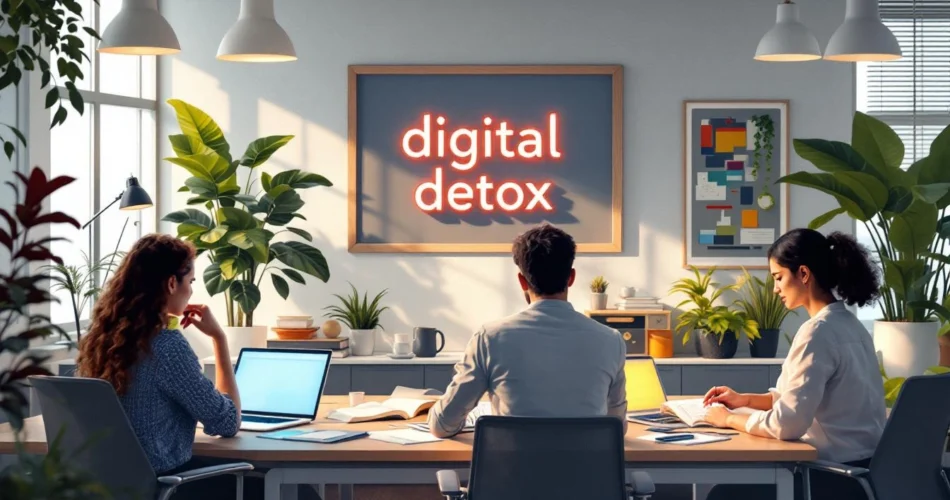
Technology keeps your workday moving, but it can also keep you constantly plugged in, distracted, and mentally drained. If you feel like your attention is slipping or your energy never fully recharges, a digital detox at work may be exactly what you need. More professionals—and entire organizations—are now taking intentional breaks from screens and notifications to reclaim focus, boost productivity, and support long‑term well‑being. In this guide, you’ll learn what a workplace digital detox is, why it matters, and the practical steps you can take to build healthier tech habits starting today.
Table of Contents
- What Is a Digital Detox at Work?
- Why Your Workplace Needs a Digital Detox
- Practical Digital Detox Strategies for Employees
- How Employers Can Support a Workplace Digital Detox
- Tools and Alternatives That Support Healthier Tech Use
- Frequently Asked Questions
- Conclusion
What Is a Digital Detox at Work?
A workplace digital detox is the intentional practice of reducing or pausing digital consumption during the workday. This doesn’t mean eliminating technology—rather, it’s about using it more consciously. At its core, a digital detox encourages you to break free from constant alerts, multitasking habits, and screen overload to regain control of your attention.
Definition and Core Principles
Digital detoxing centers around mindful use, intentional breaks, and creating healthier boundaries with work-related tech. The goal is to help your brain rest, reduce cognitive load, and allow more time for uninterrupted deep work.
Common Triggers for Tech Overuse in Professional Settings
- Overflowing inboxes and constant email refreshing
- Team chat notifications arriving every few minutes
- Meetings that rely heavily on digital platforms
- Pressure to respond instantly to messages
The Difference Between a Digital Detox and Digital Minimalism
Digital detoxing involves taking breaks from screens, while digital minimalism focuses on long‑term intentional tech use. Detoxing is a short‑term reset; minimalism is a lifestyle shift. For more on burnout, explore: Understanding Workplace Burnout. You can also learn about mental strain here: Mayo Clinic.
Why Your Workplace Needs a Digital Detox
Tech overload affects your productivity, mood, and ability to concentrate. A digital detox at work helps restore balance so you can approach your tasks with greater clarity.
The Impact of Digital Overload on Productivity
Constant context switching—jumping between apps, tabs, and chats—can drain up to 40% of your productive time. Reducing digital clutter restores focus and efficiency.
Mental Health and Cognitive Fatigue
Screen fatigue contributes to anxiety, irritability, and burnout. When your brain never gets downtime, stress builds up quickly.
How Constant Notifications Disrupt Focus and Deep Work
Research from the American Psychological Association shows that even small interruptions break concentration and weaken performance. Explore more about deep-focus advantages: Benefits of Deep Work. APA research is available at APA.
Practical Digital Detox Strategies for Employees
If you want a calmer, more productive workday, these simple habits can help you detox without disrupting your workflow.
Setting Boundaries Around Notifications and Alerts
- Disable nonessential app notifications
- Use “Do Not Disturb” mode during deep work periods
- Check email at set times instead of constantly refreshing
Creating Tech-Free Work Intervals and Routines
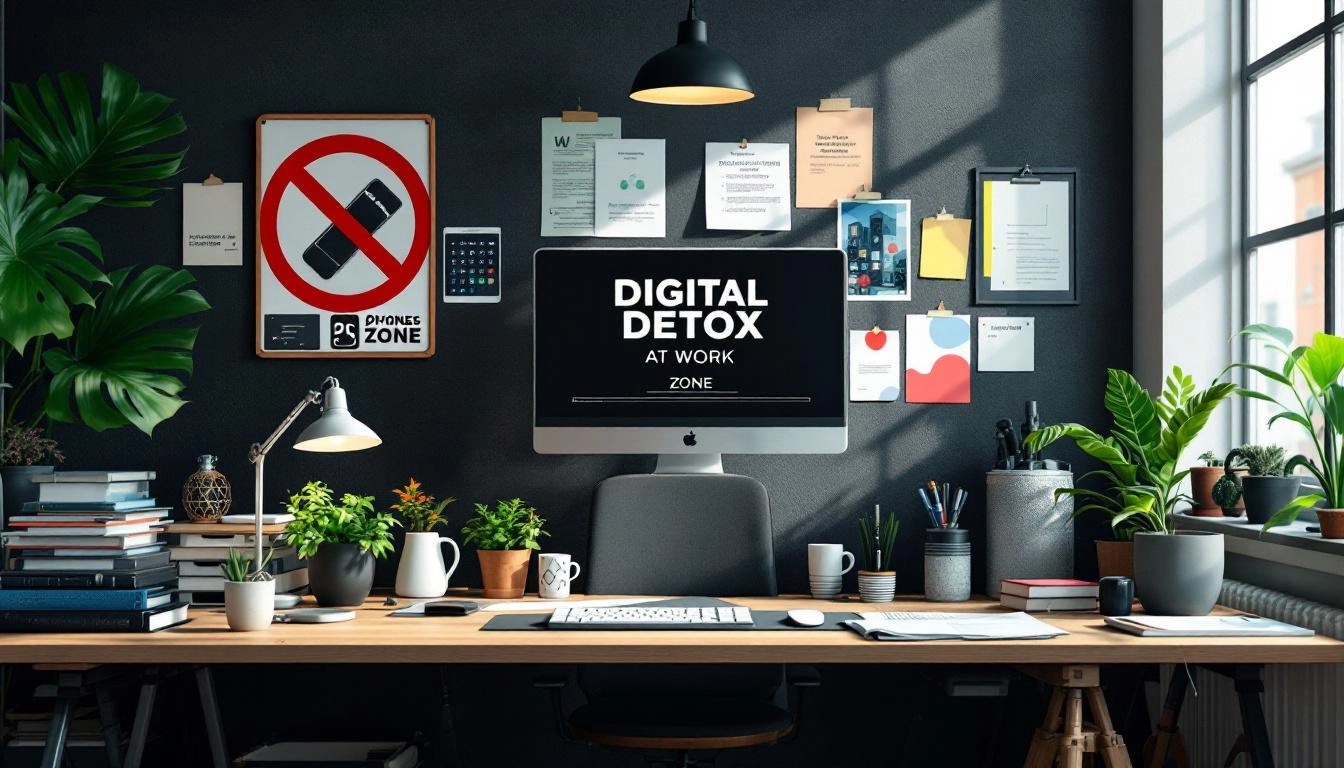
Try scheduling short tech-free breaks throughout the day. Even 10 minutes away from screens can reset your mind and improve focus.
Mindfulness and Analog Work Methods
Use pen-and-paper brainstorming, physical calendars, or whiteboards to give your eyes a break. Mindfulness practices also help reduce stress. Learn more here: Harvard Business Review and Mindfulness Techniques for Professionals.
How Employers Can Support a Workplace Digital Detox
Leaders play a major role in shaping healthy digital culture. When organizations model balanced tech use, employees follow.
Encouraging a Healthy Communication Culture
Teams benefit when expectations are clear—especially around response times and after‑hours communication.
Redesigning Workflows to Reduce Digital Dependency
Consider using fewer apps, simplifying message channels, or integrating tools so employees have less digital noise to manage.
Policies That Support Tech Breaks and Work-Life Balance
Offer meeting‑free hours or built‑in break times. Create supportive policies like those discussed here: Healthy Workplace Policies. For broader well‑being guidelines, visit WHO.
Tools and Alternatives That Support Healthier Tech Use
Technology can help you cut back on… technology. When used wisely, the right tools boost focus instead of draining it.
Focus Tools and Apps That Reduce Distractions
- Website blockers
- Focus timers
- Minimalist writing apps
Non-Digital Alternatives for Common Tasks
Use physical notebooks, printed documents, or collaborative whiteboard sessions to break away from screens.
Tracking Progress and Sustaining Digital Detox Habits
Simple methods like journaling, weekly check‑ins, or productivity assessments can help you monitor progress. More guidance is available: CDC and Productivity Tools Guide.
Frequently Asked Questions
What is a digital detox at work, and how long should it last?
A digital detox at work can last anywhere from a few minutes to a full day. The goal is to unplug just long enough to reset your mind and reduce stress.
Can a workplace digital detox improve team collaboration?
Yes. With fewer interruptions, communication becomes clearer and more intentional, leading to better teamwork.
How can employees maintain digital detox habits in a remote work environment?
Set clear boundaries, schedule tech-free breaks, and turn off unnecessary notifications during deep work periods.
Is a digital detox suitable for high-tech or fast-paced jobs?
Absolutely. Even small adjustments—like checking email less frequently—can have major benefits.
Does a digital detox affect productivity negatively?
Not at all. Most people experience improved efficiency and focus once they reduce digital overload.
Conclusion
A digital detox at work isn’t about rejecting technology—it’s about using it more intentionally. When you create healthier tech habits, you sharpen your focus, reduce mental fatigue, and improve your overall performance. Whether you’re an employee looking to reclaim your concentration or a leader aiming to build a healthier workplace culture, small changes truly make a big impact. Start simplifying, set clearer boundaries, and give your brain the breaks it needs. You’ll work smarter, feel better, and stay energized throughout the day.