
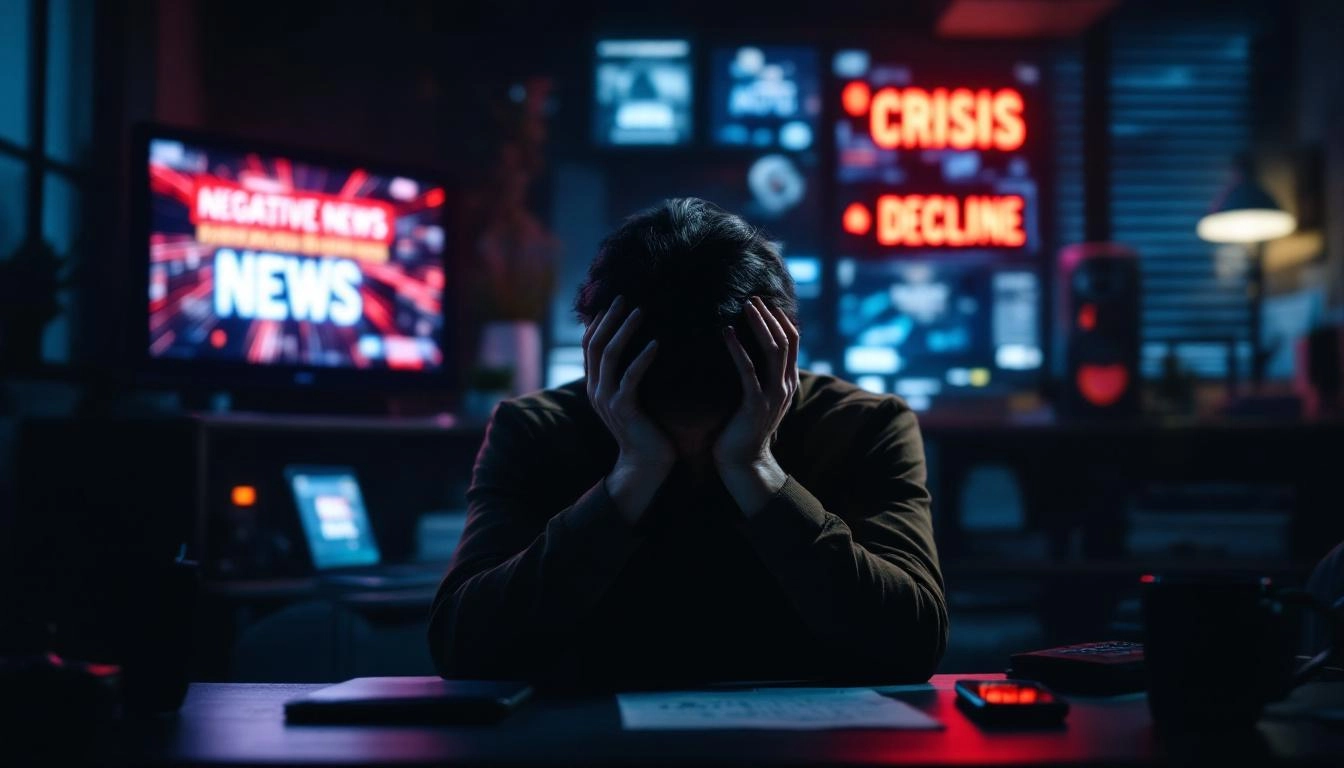
In a world where headlines never stop and every scroll brings a new crisis, it’s no surprise that many people experience negative news depression. This overwhelming emotional slump often stems from doomscrolling depression—the habit of consuming endless streams of alarming or distressing news. If you’ve ever felt anxious, drained, or hopeless after checking the news, you’re not alone. In this article, you’ll learn seven practical, science-backed strategies to break the doomscrolling cycle and protect your mental health.
Table of Contents
- Understanding Negative News Depression
- How Doomscrolling Depression Impacts Mental Health
- 7 Ways to Stop Doomscrolling
- Additional Strategies to Manage Negative News Intake
- When to Seek Professional Support
- FAQs
- Conclusion
Understanding Negative News Depression
Negative news depression describes the emotional fatigue and sadness you feel after being exposed to a constant stream of alarming information. Research from the APA shows that repeated exposure to distressing news can alter your mood, raise stress levels, and even change behavioral patterns. Our brains are wired for negativity bias, meaning we naturally notice threatening or alarming content more than positive updates. Harvard Health notes that this bias kept our ancestors safe, but today, it can trap you in doomscrolling cycles.
Social media intensifies this problem. Algorithms push content that keeps you engaged—often the most dramatic, emotional, or controversial posts. This creates an addictive loop. For more on how social platforms influence mental health, visit our article on social media and mental health.
How Doomscrolling Depression Impacts Mental Health
The emotional toll of doomscrolling depression can be heavy. You may feel anxious, overwhelmed, or emotionally numb after reading too much negative content. This emotional strain often leads to cognitive fatigue—your brain becomes overstimulated from nonstop information switches.
Physically, the body reacts as if you’re under constant threat. Elevated cortisol levels, headaches, muscle tension, and sleep disruptions are common symptoms. The Mayo Clinic notes that chronic stress from informational overload can harm long-term health.
7 Ways to Stop Doomscrolling
Set Clear Digital Boundaries
Start by limiting your screen time. Create specific windows when you allow yourself to check the news—such as 10 minutes in the morning and evening. Outside those times, avoid news apps entirely.
Curate Your News Sources
Replace sensationalized content with reliable, balanced reporting. Follow outlets known for factual accuracy and avoid sites that use fear-based headlines. Explore healthy news consumption habits for more guidance.
Follow Positive and Neutral Content Creators
Diversify your feed with creators who post educational, uplifting, or neutral content. This helps rebalance your emotional exposure and counteracts negative news depression.
Use Apps That Restrict Scrolling Time
Tools like Freedom, StayFocusd, or ScreenZen help block or limit the apps you tend to misuse. These tools add friction—a key factor in breaking doomscrolling depression patterns.
Practice Mindful Media Engagement
Before you click on a headline, pause for a moment. Ask yourself whether reading this will help you or harm your mental state. This habit increases awareness and reduces impulse scrolling.
Replace the Habit With Healthier Alternatives
Try substituting doomscrolling with activities such as reading, stretching, journaling, or quick walks. These simple changes reduce stress and boost mood.
Turn Off Nonessential Notifications
Push alerts often trigger doomscrolling cycles. Turn off breaking-news notifications unless they are essential for your safety.
Additional Strategies to Manage Negative News Intake
Build supportive offline routines such as morning rituals, slow breakfasts, or screen-free evening wind-downs. Emotional check-ins help you understand how news consumption affects your mood. Even one digital detox day per week can reset your brain. Learn more at the Digital Wellness Institute.
When to Seek Professional Support
If your negative news depression worsens—persistent sadness, anxiety, or withdrawal—consider speaking with a mental health professional. Therapists often use cognitive-behavioral strategies to interrupt doomscrolling depression habits. You can also explore online therapy options like BetterHelp.
For internal support, visit our mental health resources page for tools and guides.
Frequently Asked Questions
What causes negative news depression, and why is it so common?
It stems from constant exposure to alarming information, amplified by social media algorithms and natural negativity bias.
How can I tell if doomscrolling depression is affecting my daily life?
If you’re experiencing anxiety, mood swings, sleep issues, or difficulty focusing after consuming news, doomscrolling may be affecting you.
Is doomscrolling addictive?
Yes. The brain releases dopamine when you scroll, creating a reward loop that’s hard to break.
How can I stay informed without harming my mental health?
Set time limits, follow reputable sources, and avoid checking the news impulsively throughout the day.
Do digital detoxes really help with negative news depression?
Yes. Even short breaks reset your stress response and reduce anxiety triggered by constant exposure.
Conclusion
Negative news depression doesn’t have to control your mood or daily life. By recognizing doomscrolling depression and applying these seven practical strategies, you can rebuild healthier media habits and regain emotional balance. Start small, stay consistent, and remember: you have the power to choose what you let into your mind. For more helpful tools, explore our mental wellness resources and continue your journey toward digital well-being.