
Doomscrolling brain effects are becoming nearly impossible to ignore. Each time you swipe through an endless stream of alarming news, your brain reacts as if it’s under threat. This constant negativity not only elevates stress but also chips away at your ability to concentrate. In the next few minutes, you’ll learn exactly how doomscrolling affects the brain, why it harms your focus, and—most importantly—how you can break the cycle before it hijacks more of your mental energy.
Table of Contents
- What Is Doomscrolling and Why It Hijacks the Brain
- How Doomscrolling Affects the Brain
- The Impact of Doomscrolling on Focus and Productivity
- Psychological and Emotional Doomscrolling Brain Effects
- How to Stop Doomscrolling and Protect Your Brain
- FAQs
- Conclusion
What Is Doomscrolling and Why It Hijacks the Brain
Doomscrolling refers to continuously scrolling through negative or distressing content online, even when it leaves you feeling anxious or overwhelmed. The behavior surged during global crises, when uncertainty created a powerful pull toward information-seeking—even if that information was harmful.
Definition and Origins of the Doomscrolling Habit
The term “doomscrolling” emerged as people began compulsively consuming catastrophic news on social media. This isn’t a new human behavior; it’s simply a digital version of threat-monitoring that once helped our ancestors survive.
Why Humans Are Wired to Seek Negative Information
Your brain prioritizes negative information because spotting danger used to be a matter of survival. Psychologists call this the negativity bias, and it makes frightening headlines feel urgent and hard to ignore.
How Technology Amplifies Doomscrolling
Social media algorithms are designed to keep you engaged, and emotionally charged content—especially negative content—holds attention longer. For more on this, see The Psychology of Social Media Algorithms.
How Doomscrolling Affects the Brain
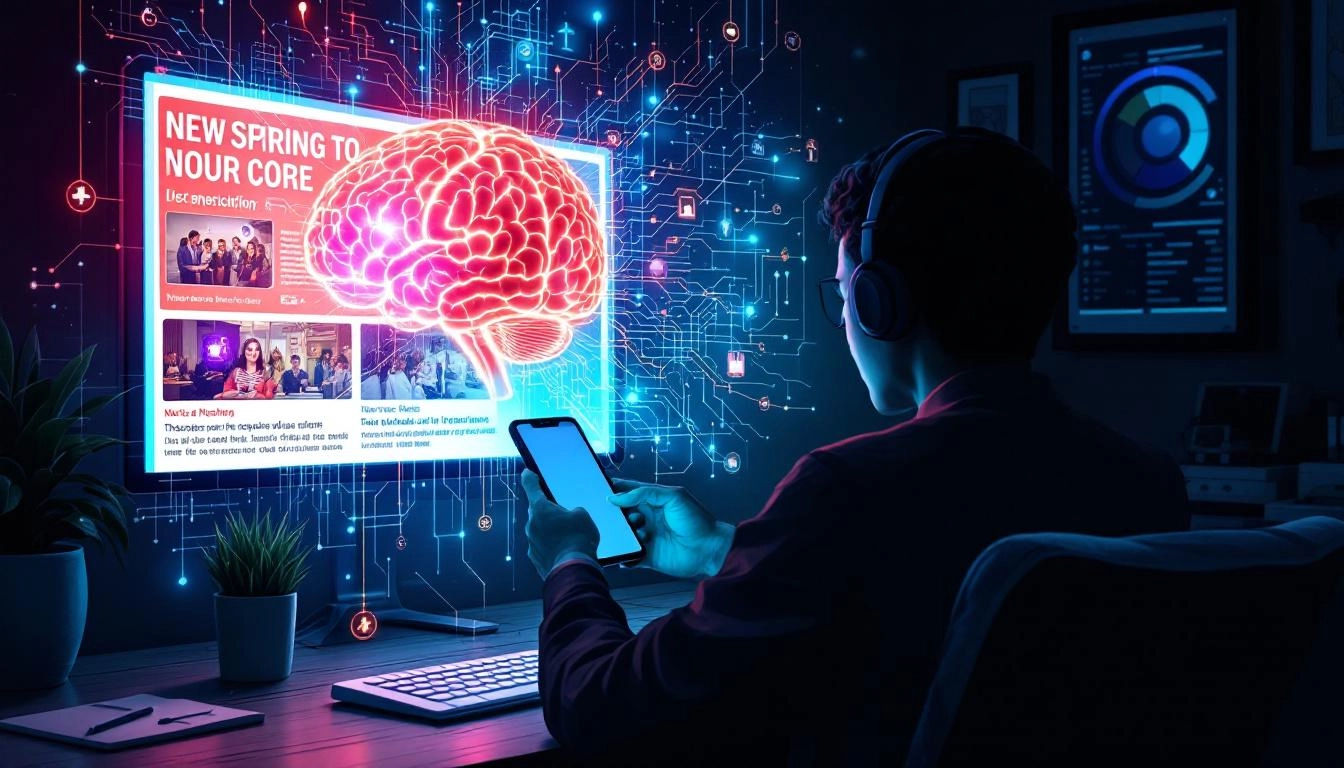
The neurological consequences of doomscrolling are significant. Your brain interprets negative content as a threat, kicking off a cascade of chemical and cognitive reactions.
Disruption of the Brain’s Reward System
According to the American Psychological Association, unpredictable information triggers dopamine spikes—similar to gambling. But doomscrolling combines reward-seeking with stress, creating a damaging loop.
Increased Cognitive Load and Mental Fatigue
Absorbing emotionally heavy content causes cognitive overload. Your working memory becomes taxed, processing slows, and decision-making quality drops.
Neurochemical Changes Caused by Constant Negative Input
Chronic exposure to distressing content elevates stress hormones such as cortisol. Over time, this disrupts mood regulation and weakens neural pathways tied to focus. Learn more in The Science of Digital Overload.
The Impact of Doomscrolling on Focus and Productivity
Doomscrolling doesn’t just alter your emotional state—it directly damages your cognitive performance.
How Negative Content Weakens Attention Span
Negative content narrows your mental bandwidth, pulling your attention toward perceived threats and away from productive tasks.
Why Multitasking During Doomscrolling Makes Focus Worse
If you’re switching between apps or tasks while doomscrolling, your brain becomes fragmented. This reduces overall task efficiency and makes deep work nearly impossible.
The Cycle Between Stress Hormones and Poor Concentration
Harvard Health reports that elevated cortisol impairs your prefrontal cortex—the part of your brain responsible for focus. This creates a feedback loop: stress leads to distraction, and distraction leads to more stress.
Psychological and Emotional Doomscrolling Brain Effects
Beyond the cognitive toll, doomscrolling affects your emotional health in profound ways.
Anxiety, Stress, and Hypervigilance
Constant negative content keeps your nervous system on high alert, making you feel tense or overwhelmed even when nothing is wrong in your immediate environment.
Mood Dysregulation and Learned Helplessness
Feeling bombarded by bad news can make you believe problems are bigger than they are—or that you have no control. This is a key driver of hopelessness and depressive symptoms.
Sleep Disruption and Its Effects on Cognitive Function
Late-night doomscrolling exposes you to blue light, disrupts melatonin production, and keeps your mind racing. Learn more in Impact of Screens on Sleep Quality.
How to Stop Doomscrolling and Protect Your Brain
Breaking the habit doesn’t require discipline alone—you need structure, awareness, and intentional digital boundaries.
Building Healthy Digital Habits
- Set screen-time limits on news and social apps.
- Create tech-free zones, especially in your bedroom.
- Replace doomscrolling with uplifting or educational content.
Mindfulness and Cognitive Reframing Techniques
Practices like breathwork, meditation, or grounding exercises help you regain mental control. The National Institute of Mental Health offers evidence-based strategies for managing anxiety and digital overwhelm.
Setting Boundaries with Technology
Use app blockers, scheduled downtime, or grayscale mode to limit temptation. Explore more ideas in Effective Smartphone Detox Strategies.
Frequently Asked Questions
What are the most common doomscrolling brain effects?
They include anxiety, reduced focus, elevated cortisol, cognitive fatigue, and disrupted sleep patterns.
Can doomscrolling cause long-term mental health damage?
Yes. Chronic stress and negative content exposure can contribute to anxiety disorders, depression, and attention difficulties.
How can I train my brain to stop doomscrolling?
By building healthier digital habits, using mindfulness techniques, and setting app boundaries to disrupt the cycle.
Why does doomscrolling feel addictive?
Because unpredictable news triggers dopamine, keeping you locked in a reward-stress-reward cycle.
Does doomscrolling affect sleep?
Yes. Emotional stimulation and screen exposure interfere with the body’s natural sleep rhythms.
Conclusion
Doomscrolling brain effects go far beyond a momentary distraction—they shape your focus, mood, and long-term cognitive health. By understanding how doomscrolling affects the brain, you gain the power to set boundaries, protect your attention, and reclaim your mental clarity. Start today by taking one small step: limit negative content, pause before you scroll, and choose what nourishes your mind. Your focus depends on it.