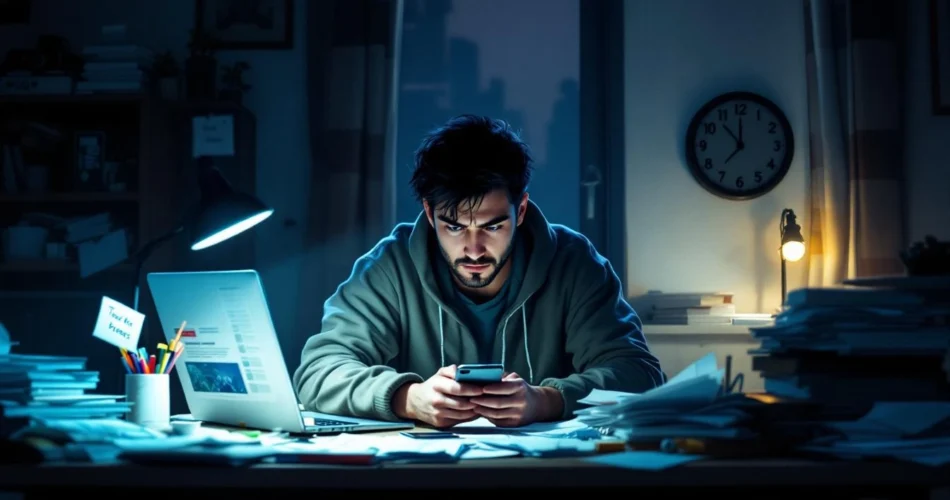
Doomscrolling has become a familiar habit in today’s always‑connected world, and many people don’t realize how deeply it can affect their emotional well‑being. If you’ve ever felt a wave of tension or sadness after scrolling through endless negative news, you may already be experiencing anxiety and depression from doomscrolling. This article breaks down why doomscrolling impacts your mental health and gives you practical tools to break the cycle and rebuild balance.
Table of Contents
- What Is Doomscrolling and Why Does It Affect Mental Health?
- How Doomscrolling Leads to Anxiety and Depression
- Warning Signs You May Be Stuck in a Doomscrolling Loop
- Mental Health Tips to Reduce Doomscrolling
- Long-Term Strategies for Improving Digital Wellness
- FAQs
- Conclusion
What Is Doomscrolling and Why Does It Affect Mental Health?
Doomscrolling refers to the habit of consuming large amounts of negative news online. It’s driven by digital overload, fear of uncertainty, and how social media platforms are designed.
The Psychology Behind Doomscrolling
Your brain is wired to pay more attention to negative information because it may signal potential threats. This “negativity bias” makes alarming content feel more urgent, which is why you keep scrolling. More about this bias is discussed by the American Psychological Association at https://www.apa.org.
How Social Media Algorithms Reinforce the Behavior
Algorithms track what you click, pause on, or rewatch. If you interact with negative content, the platform feeds you more of it. This creates a loop that’s hard to break. Learn more about digital habits at Social Media Overuse Effects.
The Connection Between Doomscrolling and Mental Health Strain
Constant exposure to distressing information triggers emotional overload, activating your stress response and leaving you mentally exhausted.

How Doomscrolling Leads to Anxiety and Depression
Doomscrolling affects your thoughts, energy levels, and emotional stability. Here’s how it creates a decline in mental health.
Cognitive Overload and Negative Thought Patterns
When you take in too much negative content, your mind becomes overloaded and starts forming patterns like catastrophizing or persistent worry.
Sleep Disruption and Mood Disorders
Nighttime scrolling disrupts your circadian rhythm and contributes to anxiety and depression from doomscrolling. Poor sleep affects emotional regulation. Learn more at the Sleep Foundation: https://www.sleepfoundation.org.
The Role of Uncertainty and Fear-Based Content
Bad news cycles thrive on uncertainty, which increases fear and heightens stress. Excessive exposure can make the world feel more dangerous than it is.
Warning Signs You May Be Stuck in a Doomscrolling Loop
If your scrolling habits have started to control your moods or routines, it may be time to take notice.
Behavioral Red Flags
- Checking the news constantly throughout the day
- Scrolling even when you intended to stop
- Feeling unable to disconnect from your device
Emotional Indicators
- Feeling anxious or hopeless after scrolling
- Noticing your mood worsens online
- Feeling emotionally drained by news or social media
Physical Symptoms
Doomscrolling can affect your body too, causing headaches, fatigue, or tension. Learn more about physical stress effects at Stress and Physical Health.
Mental Health Tips to Reduce Doomscrolling
Breaking the doomscrolling cycle is possible with intentional habits.
Setting Digital Boundaries
- Use app timers or built‑in screen limits
- Establish phone‑free times during your day
- Turn off push notifications for news apps
Curating a Healthier Digital Environment
- Mute or unfollow accounts that increase anxiety
- Block toxic or fear‑based content
- Add uplifting or educational pages to your feed
Practicing Grounding and Mindfulness Techniques
Mindfulness is a powerful antidote to doomscrolling. Learn grounding exercises at https://www.mindful.org.
Long-Term Strategies for Improving Digital Wellness
Lasting change requires long-term strategies that support a balanced mindset.
Creating a Balanced Information Intake Routine
- Check the news only at scheduled times
- Choose trustworthy, calm news sources
- Avoid news consumption before bed
Replacing Doomscrolling With Positive Habits
- Pick up a hobby that keeps your hands busy
- Read books instead of scrolling
- Spend time outdoors or exercising
Seeking Professional Help When Needed
If doomscrolling is affecting your quality of life, speaking with a mental health professional can help. Learn more at Mental Health Treatment Guide.
Frequently Asked Questions
What causes anxiety and depression from doomscrolling?
It’s caused by repeated exposure to negative information, which increases stress, overstimulates the brain, and disrupts emotional balance.
How can I tell if doomscrolling is affecting my mental health?
If you feel anxious, overwhelmed, or emotionally drained after scrolling, it may be affecting your mental well‑being.
What are the best techniques to stop doomscrolling at night?
Setting a nighttime phone curfew, using a charging station outside the bedroom, and creating a relaxing bedtime routine are effective strategies.
Can doomscrolling impact my physical health?
Yes, it can lead to headaches, fatigue, eye strain, and increased stress responses.
How long does it take to break the doomscrolling habit?
It varies, but most people see improvement within a few weeks of setting digital boundaries and practicing mindfulness.
Conclusion
The constant flood of negative content can take a powerful toll, leading to anxiety and depression from doomscrolling. But with intentional strategies, mindful practices, and healthier digital routines, you can break the cycle and reclaim your sense of balance. Start with small changes today and take back control of your mental well‑being. If you want more guidance on improving your digital habits, explore related resources on our site and stay committed to prioritizing your mental health.