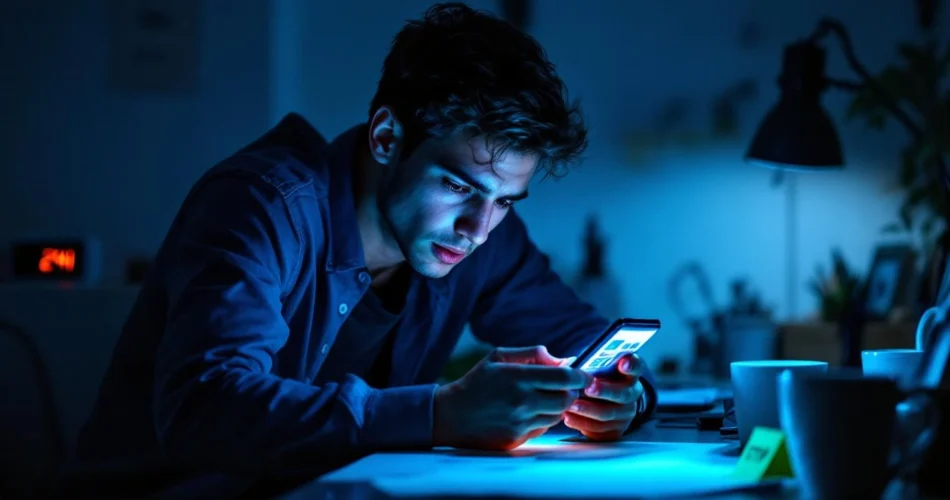
You know the feeling: it’s late, you should be asleep, but you’re stuck in a loop of scrolling through alarming headlines and unsettling videos. That sinking sensation in your stomach? That spike of tension in your chest? Those may be doomscrolling anxiety symptoms — a growing issue in a world where distressing news is always a thumb‑swipe away. Understanding how doomscrolling affects your mind and body is the first step toward breaking the cycle. In this article, you’ll learn what doomscrolling anxiety is, the symptoms to watch for, and practical steps to regain control of your digital habits.
Table of Contents
- What Is Doomscrolling Anxiety?
- Common Doomscrolling Anxiety Symptoms
- Why Doomscrolling Triggers Anxiety
- How to Stop the Doomscrolling Cycle
- When to Seek Professional Help
- FAQs
- Conclusion
What Is Doomscrolling Anxiety?
Doomscrolling anxiety refers to the emotional and physical stress that arises from compulsively consuming negative online content. While general anxiety can stem from many sources, doomscrolling anxiety is directly tied to digital information overload, especially from news and social media.
Definition and how it differs from general anxiety
General anxiety may come from work, relationships, or health concerns. Doomscrolling anxiety, however, is triggered by constant exposure to distressing online content and the inability to stop consuming more of it.
The role of social media algorithms
Platforms amplify the content you engage with most — often sensational or negative stories. Algorithms aren’t designed for your well‑being; they’re designed to keep you watching.
Why doomscrolling feels addictive
Your brain craves certainty, and scrolling promises answers — even though it rarely provides relief. That search for reassurance makes the cycle feel addictive.
External resource: Healthline
Internal resource: Digital Well-Being Tips
Common Doomscrolling Anxiety Symptoms
Recognizing doomscrolling anxiety symptoms early can help you regain control before the habit harms your mental health.
Physical symptoms
- Racing heart or increased heart rate
- Muscle tension or headaches
- Eye strain or fatigue
Emotional symptoms
- Lingering dread or fear
- Irritability after scrolling
- Emotional exhaustion
Behavioral symptoms
- Compulsive checking of news or apps
- Difficulty sleeping due to late-night scrolling
- Withdrawing from offline activities
External resource: MentalHealth.gov
Internal resource: Anxiety Symptoms Guide

Why Doomscrolling Triggers Anxiety
Negativity bias and the brain
Your brain prioritizes negative information because it perceives it as essential for survival. This makes bad news feel more urgent and more difficult to ignore.
Fear of missing out (FOMO) and uncertainty
You may scroll because you fear missing critical information, but the constant influx creates more uncertainty, not less.
Overexposure to distressing content
Constant exposure to crisis-driven content overwhelms your nervous system.
External resource: American Psychological Association
How to Stop the Doomscrolling Cycle
Set intentional screen limits
- Use app timers or Downtime features.
- Schedule “no-screen zones” during meals or bedtime.
Replace scrolling with grounding activities
- Short walks
- Breathing exercises
- Journaling or reading
Curate your digital environment
- Unfollow accounts that spike anxiety.
- Subscribe to balanced, credible news sources.
Internal resource: Mindfulness Techniques
External resource: Digital Wellness Institute
When to Seek Professional Help
Persistent or worsening symptoms
If doomscrolling anxiety symptoms don’t improve despite lifestyle changes, professional support can help.
Impact on daily functioning and sleep
If anxiety disrupts your sleep, relationships, or work, it’s time to reach out for help.
Treatment options and support
- Therapy (CBT, ACT)
- Support groups
- Digital detox plans
External resource: BetterHelp
Internal resource: Mental Health Support
Frequently Asked Questions
What are early doomscrolling anxiety symptoms to watch for?
Early signs include restlessness, irritability after scrolling, and checking news apps more frequently than usual.
Can doomscrolling cause long-term mental health issues?
While doomscrolling alone may not cause disorders, chronic stress from negative content can worsen existing anxiety or depression.
How quickly can someone break the doomscrolling cycle?
Most people see improvement within a few weeks of consistent boundaries and mindful digital habits.
Is doomscrolling linked to sleep problems?
Yes — the blue light, combined with emotionally intense content, can disrupt your sleep cycles.
Can limiting notifications reduce doomscrolling anxiety symptoms?
Absolutely. Reducing alerts lowers the urge to check your phone compulsively.
Conclusion
Recognizing doomscrolling anxiety symptoms is the first step toward restoring your mental clarity and emotional well‑being. By setting intentional limits, curating a healthier digital environment, and reaching out for help when needed, you can break the cycle and create a more peaceful relationship with technology. If your symptoms persist or worsen, consider speaking with a mental health professional. Your attention — and your peace — are worth protecting.