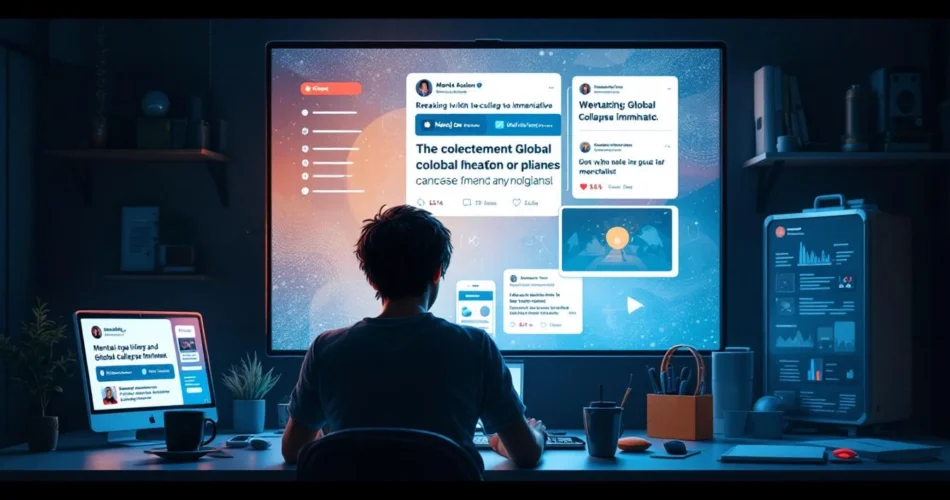
Psychological distress from doomscrolling has become increasingly common as you navigate an endless stream of negative news, alarming headlines, and unsettling social media updates. In a world where digital consumption is constant, Doomscrolling and mental health concerns are rising in tandem. This article breaks down why doomscrolling affects your mental well‑being, the psychological patterns behind it, and the practical steps you can take to regain control of your digital habits and emotional balance.
Table of Contents
- Understanding Psychological Distress From Doomscrolling
- How Doomscrolling Affects Mental Health
- Why We Get Caught in the Doomscrolling Cycle
- Long-Term Risks of Excessive Doomscrolling
- Strategies to Reduce Psychological Distress From Doomscrolling
- FAQs
- Conclusion
Understanding Psychological Distress From Doomscrolling
Doomscrolling refers to the compulsive habit of endlessly scrolling through negative or distressing online content. It emerged as digital platforms grew more sophisticated, especially during global crises when people sought constant updates. This behavior affects your brain’s stress responses, often leading to emotional exhaustion.
What Doomscrolling Is and How It Emerged
As news cycles became faster and more sensationalized, it became easier to fall into a loop of continuous updates. The term “doomscrolling” became widely used during the COVID‑19 pandemic when many people turned to their phones for answers and reassurance—but instead found more anxiety.
Psychological Mechanisms Behind Stress Responses
Your brain is wired to detect threats. Negative news captures attention more effectively than positive stories, triggering stress hormones and keeping you engaged even when it harms your mental health.
The Link Between Negative News Exposure and Emotional Exhaustion
Constant exposure to distressing content wears down your emotional resilience. Feelings of hopelessness, fatigue, and irritability often follow.
[Internal Link: Digital Media Overload] [External Link: American Psychological Association]
How Doomscrolling Affects Mental Health
The relationship between Doomscrolling and mental health is well‑documented. Long periods of consuming negative content can trigger anxiety, disrupt sleep, and intensify rumination.
Anxiety, Depression, and Rumination Patterns
Scrolling late at night or during stressful periods increases anxious thoughts. You may find yourself replaying distressing stories or imagining worst‑case scenarios.
The Role of Uncertainty and Fear in Mental Fatigue
Unpredictable events—such as global crises, political tension, or health scares—amplify doomscrolling urges. The brain becomes overwhelmed by ambiguity, which heightens stress.
Disrupted Sleep Cycles and Stress Hormones
Doomscrolling often happens at bedtime, when blue light and alarming content interfere with your ability to fall asleep. Over time, this raises cortisol levels and weakens emotional stability.
[Internal Link: Social Media and Anxiety] [External Link: National Institute of Mental Health]Why We Get Caught in the Doomscrolling Cycle
Doomscrolling isn’t just a habit—it’s a digital trap built from algorithms, cognitive biases, and the fear of falling behind on information.
Algorithms That Reward Negative Content Consumption
Platforms prioritize engagement, and negative content generates strong reactions. The more you click, the more you’re shown similar posts.
Cognitive Biases That Draw Us Toward Threatening Information
Your brain is naturally inclined to scan for danger—a survival instinct known as negativity bias.
Fear of Missing Out (FOMO) and Constant News Monitoring
For many people, doomscrolling feels like staying informed—but it often leads to emotional overload rather than clarity.
[Internal Link: Behavioral Psychology Basics] [External Link: Pew Research Center]Long-Term Risks of Excessive Doomscrolling
While occasional news checking isn’t harmful, long-term doomscrolling contributes to chronic health problems.
Chronic Stress and Burnout Symptoms
Constant vigilance wears down your nervous system. Burnout shows up as exhaustion, detachment, or reduced interest in daily activities.
Impacts on Productivity, Focus, and Daily Functioning
Mental overload makes it harder to concentrate, complete tasks, or stay motivated.
Social Withdrawal and Emotional Numbing
You may feel detached from others or even from your own emotions, especially if you’re frequently exposed to disturbing content.
[Internal Link: Stress Management Techniques] [External Link: World Health Organization]Strategies to Reduce Psychological Distress From Doomscrolling
You can break the doomscrolling cycle with intentional, sustainable habits that support mental well‑being.
Setting Digital Boundaries and Healthy Tech Habits
- Limit news checks to specific times
- Use app timers to reduce mindless scrolling
- Charge devices outside the bedroom
Building More Balanced Information Diets
- Follow positive or educational accounts
- Mix news consumption with hobbies and learning
- Unfollow sources that create anxiety
Mental Health Practices to Counter Doomscrolling Effects
- Practice mindfulness or grounding exercises
- Spend time offline in nature or with loved ones
- Journal to process overwhelming thoughts
Frequently Asked Questions
What causes psychological distress from doomscrolling?
This distress stems from overexposure to negative content, which activates your brain’s stress response and leads to emotional fatigue.
How does Doomscrolling and mental health relate in daily life?
Doomscrolling influences mood, focus, sleep, and emotional resilience. Over time, it increases anxiety and reduces well‑being.
What steps can I take to stop doomscrolling and protect my mental health?
Start with small habits: set time limits, curate your feed, and replace nighttime scrolling with calming routines.
Why is doomscrolling so addictive?
Algorithms, negativity bias, and the desire for certainty make negative content hard to resist.
Can doomscrolling affect sleep quality?
Yes—exposure to blue light and stressful information disrupts melatonin production and delays sleep.
Conclusion
Psychological distress from doomscrolling develops when constant exposure to negative content overwhelms your mind and body. By becoming aware of the patterns that trap you in endless scrolling and adopting healthier digital habits, you can protect your mental health and build a more balanced relationship with technology. Start with one small change today—your well‑being is worth it.