
Feeling constantly overwhelmed, anxious, or glued to your phone? If you’ve wondered how to know if you need a social media detox, you’re not alone. Digital fatigue creeps in quietly, and many people miss early signs you need a social media detox until it starts affecting their mood, sleep, and productivity. In this guide, you’ll discover seven warning signs you shouldn’t ignore—plus practical steps to regain control of your digital habits and improve your overall well‑being.
Table of Contents
- What Is a Social Media Detox and Why It Matters
- 7 Warning Signs You Need a Social Media Detox
- How Social Media Impacts Your Mental and Physical Health
- What to Do If You Notice These Signs
- Additional Tips for a Healthy Digital Relationship
- FAQs
- Conclusion
What Is a Social Media Detox and Why It Matters
A social media detox is a planned break from platforms like Instagram, TikTok, Facebook, and others. Its purpose is to reduce digital overload, clear mental space, and help you reconnect with real-life experiences. When figuring out how to know if you need a social media detox, look for patterns such as constantly checking notifications, losing track of time, or feeling emotionally affected by online content.
A short detox can improve mood, increase productivity, and reduce stress. You can also explore the Benefits of Reducing Screen Time or read more from trusted sources like the Mayo Clinic at https://www.mayoclinic.org.
7 Warning Signs You Need a Social Media Detox
You feel anxious or stressed after scrolling
If your mood dips or you feel tense after using social media, that’s a clear sign your digital habits may be draining your emotional energy.
You compare yourself to others constantly
Endless comparison leads to self-doubt and low self-esteem. If scrolling leaves you feeling “less than,” it’s a sign your feed is impacting your mental well‑being.
You lose hours without realizing it
Ever planned to scroll for five minutes but ended up losing an hour? This type of time distortion is one of the strongest signs you need a social media detox.
You feel pressure to post or stay “visible”
If you feel obligated to update your life online to stay relevant, you may be stuck in an unhealthy validation cycle.
Your sleep habits are disrupted
Blue light, overstimulation, and nighttime scrolling can keep your brain alert when it should be winding down.
Social media impacts your productivity
Constant checking, multitasking, and hopping between apps can fragment your focus and reduce the quality of your work.
You feel emotionally drained by online interactions
Arguments, negative news, or passive-aggressive comments can take a toll. If social media leaves you exhausted, it’s time to pay attention.
Learn more about coping techniques in Managing Anxiety Triggered by Social Media or review related research from the American Psychological Association at https://www.apa.org.
How Social Media Impacts Your Mental and Physical Health
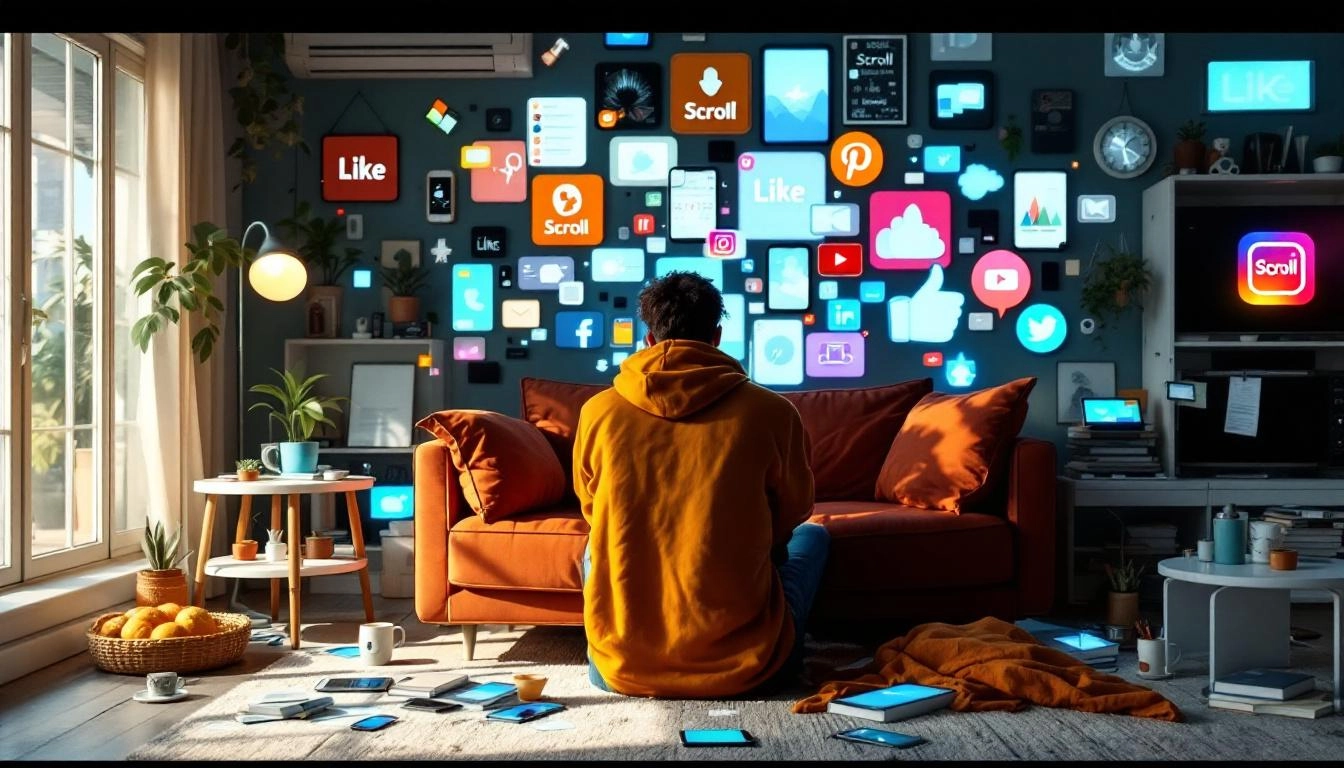
Social platforms are designed around dopamine-driven feedback loops—likes, notifications, and endless scrolling keep you hooked. This constant stimulation may overwhelm your emotions, leading to burnout or irritability.
Physically, too much screen time can strain your eyes, reduce sleep quality, and contribute to headaches or fatigue. Learn more from the Sleep Foundation at https://www.sleepfoundation.org or explore our Digital Wellness Guide.
What to Do If You Notice These Signs
Start by setting boundaries such as limiting daily screen time or blocking apps during work hours. Replace scrolling with offline habits like reading, walking, or journaling. If you rely on social media for work, communicate your detox plan to colleagues or clients for accountability.
Check out Daily Habits for Better Focus and authoritative sources like Scientific American at https://www.scientificamerican.com.
Additional Tips for a Healthy Digital Relationship
Practice mindful use by checking your emotions before and after scrolling. Curate your feed to include uplifting, educational, or calming content. You can also use apps that track or limit screen time—many are listed in our guide to Apps for Mindful Technology Use.
Frequently Asked Questions
How do you know if you need a social media detox?
You may need one if social media affects your mood, sleep, productivity, or self-esteem.
How long should a social media detox last?
Most people benefit from 24 hours to one week, depending on their habits.
What happens when you quit social media for a while?
You’ll likely experience better focus, reduced stress, and improved emotional balance.
Can a social media detox reduce anxiety?
Yes, stepping away allows your mind to rest from comparison, noise, and online pressure.
What’s the easiest way to start a detox?
Begin with small limits—turn off notifications, set time caps, or schedule offline hours.
Conclusion
The seven warning signs above can help you recognize how to know if you need a social media detox. By stepping back, setting boundaries, and building mindful digital habits, you can regain control of your time, focus, and well‑being. Start with one small change today and experience the difference a healthier digital relationship can make.
I like the efforts you have put in this, regards for all the great content.
I just like the helpful information you provide in your articles
The therapist checked in on pressure frequently. Felt very cared for. An attentive and gentle ending.