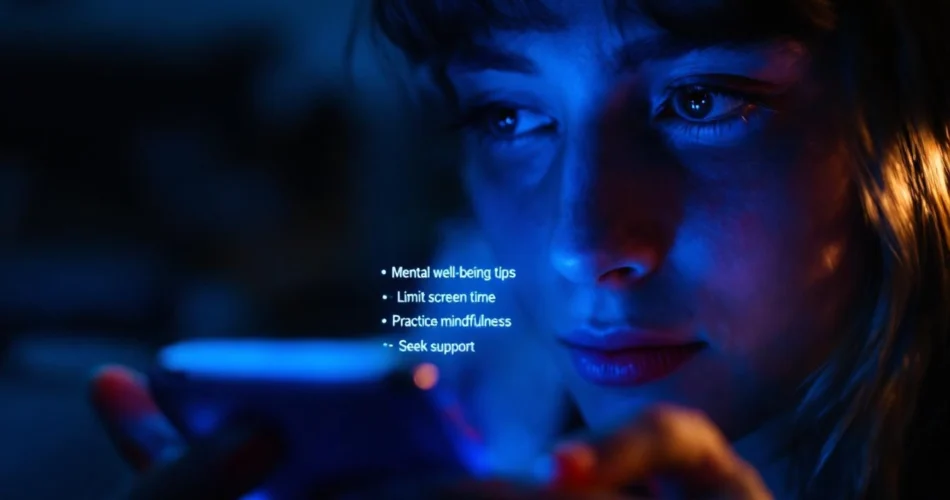
Doomscrolling mental well-being concerns are becoming more common as many people find themselves stuck in endless streams of alarming headlines and negative content. Maybe you’ve experienced it too—late at night, scrolling through stressful news even though you know it’s making you feel worse. This article helps you understand the link between doomscrolling and mental health while offering practical steps to break the cycle and protect your mind.
Table of Contents
- Understanding Doomscrolling and Mental Well-Being
- Why Doomscrolling Happens
- The Mental Health Impact of Doomscrolling
- Practical Tips to Break Doomscrolling Habits
- Building a Healthier Digital Routine
Understanding Doomscrolling and Mental Well-Being
Doomscrolling, a term that became widely known during global crises, refers to compulsively consuming negative news online. It developed as people sought real-time updates to feel prepared, but this pursuit quickly turned into a stress-inducing habit.
Definition of Doomscrolling and How It Developed
Doomscrolling emerged from attempting to stay informed in uncertain times. Overexposure to distressing headlines gradually conditioned many people to keep scrolling, even when it worsened their emotional state.
Why the Brain Is Attracted to Negative Information
Your brain is wired to detect threats. Negative information triggers heightened awareness, making it feel important—even when it isn’t helpful. This survival instinct can trap you in endless scrolling loops.
How Doomscrolling Affects Mental Well-Being
Consistent exposure to negative content raises stress and reinforces anxious thinking. A healthier approach, such as taking a digital break, can make a noticeable difference. Learn more through Digital Detox Benefits.
For further reading, the American Psychological Association shares helpful insights: https://www.apa.org/news/health/social-media

Why Doomscrolling Happens
Doomscrolling isn’t simply a lack of discipline—it’s a predictable response to stress, uncertainty, and algorithm-driven content.
Fear-Based Information Seeking
When you’re anxious, your brain urges you to seek more information for reassurance. Unfortunately, the more you look, the more negativity you encounter.
Social Media Algorithms and Negative Content Loops
Platforms prioritize content that triggers strong emotions. Negative posts get high engagement, creating a never-ending loop. Research from Pew sheds light on this: https://www.pewresearch.org/internet/
Emotional Vulnerability and Stress Responses
High stress makes you more susceptible to compulsive behaviors and emotional spirals, including doomscrolling patterns.
The Mental Health Impact of Doomscrolling
Doomscrolling affects both your body and mind, creating ripple effects on your mood, sleep, and long-term well-being.
Increased Anxiety and Stress Hormone Levels
Constant exposure to distressing news spikes cortisol levels, making you feel tense, drained, or overwhelmed.
Sleep Disruption and Cognitive Overload
Late-night scrolling overstimulates your brain, making it hard to unwind. This impacts memory, focus, and emotional stability.
Long-Term Risks to Mental Well-Being
Over time, doomscrolling may worsen anxiety, depressive symptoms, and negative worldviews. Learn more through Managing Anxiety Online.
Practical Tips to Break Doomscrolling Habits
You don’t need to delete social media to stop doomscrolling—small changes can make a big impact.
Setting Time Limits and Screen Boundaries
- Use built-in screen time tools
- Set no-phone hours
- Keep devices out of the bedroom
Replacing Negative Content with Intentional Media Choices
Follow accounts that uplift, educate, or inspire. Curate feeds that promote your mental well-being. Visit the Mental Health Foundation for helpful guidance: https://www.mentalhealth.org.uk
Using Apps and Tools to Track Digital Habits
Apps can help you monitor screen time, block distracting sites, and nudge you toward healthier digital habits.
Building a Healthier Digital Routine
A consistent digital routine can help prevent doomscrolling from returning.
Creating a Balanced Information Diet
Choose reliable sources and limit how often you check the news. Aim for scheduled updates rather than spontaneous scrolling.
Morning and Night Routines That Reduce Doomscrolling Temptation
- Avoid checking your phone in the first hour after waking
- Replace nighttime scrolling with reading or gentle stretching
Practicing Mindfulness and Offline Activities
Simple grounding activities can reduce the urge to scroll. Explore additional practices through the Mindfulness Techniques Guide.
Frequently Asked Questions
Why is doomscrolling so addictive for many people?
Doomscrolling is addictive because your brain craves certainty and prioritizes negative information as potential threats.
How can doomscrolling affect overall mental well-being in the long term?
Long-term doomscrolling can heighten anxiety, reduce emotional resilience, and trigger persistent negative thinking patterns.
Can doomscrolling interfere with sleep?
Yes. Late-night scrolling overstimulates your brain and disrupts the wind-down process needed for restful sleep.
What are simple steps to stop doomscrolling without deleting social media?
Try time limits, curated feeds, and scheduled check-ins instead of using your apps impulsively.
How do I know if doomscrolling is affecting my mental health?
If you feel tense, anxious, overwhelmed, or unable to stop scrolling, it may be impacting your mental well-being.
Conclusion
Doomscrolling mental well-being concerns deserve attention, especially as constant exposure to negative content can quietly erode your peace of mind. But breaking the cycle is fully within your reach. By creating intentional digital habits and choosing healthier routines, you can protect your mental well-being and feel more in control of your online experience. Start with one small change today—your mind will thank you.